AGP Executive Report
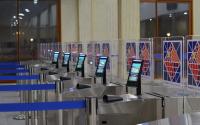
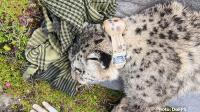
Last update: 3 hours agoDigital Borders: Gelephu’s new biometric e-gates use facial recognition to speed up eligible Bhutanese and Indian travellers’ crossings, while staffed counters remain available. Genetic Resources: Bhutan’s biodiversity raises a new challenge as digital genetic information can be used to develop products remotely — and the country must find ways to share in the benefits. AI and Skills: Bhutan will host the Asia Visionary Summit in November, focused on artificial intelligence, human development and the environment. The RCSC and RIM have also launched programmes in digital skills, responsible AI and construction management for civil servants. Research and Conservation: A new Australia National University hub will support Bhutan-focused research and policymaking. Meanwhile, GPS collars are helping researchers track snow leopards and guide conservation planning.
Note: AI summary from news headlines; neutral sources weighted more to help reduce bias in the result. Feedback is welcome. Please let us know if you have any comments or suggestions about the AGP Executive Report.

 Perspectify News